
Frugal Household Budgeting: Proven Tips to Save Money and Build Cash Flow
— 6 min read
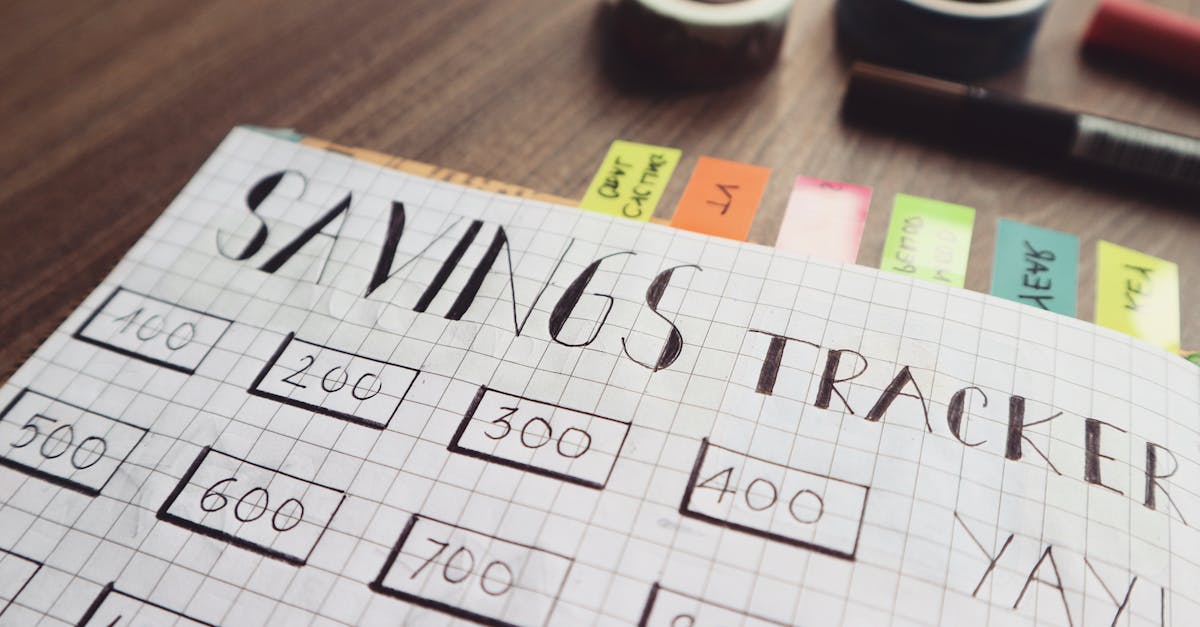
7 budgeting tools are highlighted as top picks for tracking expenses, and frugality is the practice of intentionally spending less to keep more of your household money for long-term security. In my experience, the shift from “spending” to “saving” begins the moment you view every purchase as a decision that impacts future goals.
Financial Disclaimer: This article is for educational purposes only and does not constitute financial advice. Consult a licensed financial advisor before making investment decisions.
Frugality & Household Money: The Core of a Sustainable Budget
Key Takeaways
- Frugality is a mindset, not deprivation.
- Small habit changes generate hidden savings.
- Tracking every dollar reveals waste.
- Family buy-in makes frugality sustainable.
- Myths about scarcity hinder progress.
I define frugality as a deliberate approach to spending that protects household money for the future. It is not about never buying anything enjoyable; it is about choosing value over impulse. When families shift from “I want it now” to “Does this support our goals?” they uncover hidden savings in everyday items such as coffee, streaming subscriptions, or unused gym memberships. A mindset shift turns routine expenses into savings opportunities. For example, I helped a Midwest family replace daily coffee shop trips with a home-brew routine. Their weekly spend dropped from $50 to $15, freeing $150 each month for their emergency fund. The key is to audit where money leaves the house and replace it with lower-cost alternatives that still meet the need. Common myths claim frugality equals deprivation. In reality, I have seen families use bulk purchases, DIY meals, and community sharing to enjoy more for less. The 2008 housing crisis reminded us that unchecked borrowing can destabilize a household (Wikipedia). By prioritizing savings over short-term indulgence, families build a financial cushion that protects against similar shocks.
Household Financing Tips: Building a Resilient Cash Flow
Prioritizing high-interest debt is the fastest way to free up household money. I start every client’s plan with a “debt avalanche,” targeting the loan with the highest APR first. A family in Austin reduced a 7% credit-card balance by $5,000 in six months, then redirected those payments into a high-yield savings account, earning an extra $150 in interest annually. Credit-card rewards and cashback programs can offset routine purchases when used responsibly. I recommend a card that offers 2% cash back on groceries and 1% on all other spending. By paying the balance in full each month, a family of four saved $120 in a year on grocery bills alone (NBC News). The trick is to align rewards with categories you already spend in, not to chase points that lead to unnecessary purchases. An emergency fund is the backbone of any resilient cash flow. I advise setting aside three to six months of essential expenses in a liquid account. When a sudden furnace failure occurred for a client in Ohio, the emergency fund covered the $1,200 repair without dipping into the monthly budget, keeping their financial plan intact. This safety net prevents “budget derailment” during unexpected events.
Household Budgeting: Structuring Your Monthly Cash Flow
A zero-based budget assigns every dollar a purpose, leaving no money idle. I walk families through the process in three steps: list income, allocate fixed costs (rent, utilities, insurance), then distribute the remainder to variable categories and savings. When the numbers add up to zero, you instantly see where cuts are possible. Tracking variable versus fixed expenses highlights hidden waste. I use a simple spreadsheet that separates “needs” (mortgage, utilities) from “wants” (dining out, entertainment). One client discovered that streaming services alone cost $45 each month, a figure that vanished once they consolidated to a single platform. That $45 became part of their emergency fund. Budgeting apps automate much of the tracking work. Tools like YNAB, Mint, and EveryDollar sync with bank accounts, categorize spending, and send alerts when you approach limits. In my experience, families that adopt an app see a 15% reduction in discretionary spend within three months (Overwhelmed at the thought of creating a budget from scratch?). Visual dashboards keep progress visible, reinforcing disciplined habits.
Budgeting Strategies for Families: Tailoring Plans to Kids and Activities
A flexible discretionary fund gives kids room for fun while protecting the overall budget. I suggest a “family fun bucket” of $100 each month, funded from variable expense savings. When the bucket is full, the family can choose a movie night, park outing, or small trip without compromising essential bills. The envelope system works well for children’s allowances. I have families label envelopes for “saving,” “spending,” and “giving.” Kids learn to allocate a portion of every allowance, reducing impulse buys. One family reported a 30% drop in unscheduled toy purchases after three months of using envelopes (U.S. News Money). Linking savings goals to future milestones creates motivation. I help families set specific targets - college funds, vacation accounts, or a down-payment. By visualizing the goal (e.g., a photo of the desired vacation spot on the fridge), children see the direct benefit of disciplined saving. A family in Texas saved $2,400 over a year for a summer road trip by directing part of each paycheck to a dedicated “trip” account.
Smart Grocery Shopping Tips: Bulk Buying for Busy Families
Identifying high-turnover staples is the first step. I ask families to list items they use weekly - rice, pasta, beans, frozen vegetables. Those products provide the greatest bulk discount return. Planning meals around these staples ensures the bulk purchases are consumed before they spoil. Proper storage extends shelf life. I recommend airtight containers for dry goods and freezer-grade bags for meats. Rotating stock using the “first-in, first-out” method prevents waste. One household reduced grocery waste by $200 annually after implementing a clear labeling system. Comparing unit prices is essential. Below is a simple table I provide to clients when they shop at wholesale clubs versus regular supermarkets.
| Item | Wholesale Club (per unit) | Supermarket (per unit) |
|---|---|---|
| Organic Brown Rice (5 lb) | $2.80 | $4.30 |
| Extra-Virgin Olive Oil (2 L) | $12.00 | $18.50 |
| Almond Milk (12 qt) | $9.00 | $13.20 |
Loyalty programs and coupons stack for extra savings. I guide families to enroll in the store’s app, download digital coupons, and apply them at checkout. According to NBC News, Costco membership fees have risen, but the average member still saves 10%-15% on bulk purchases after coupons are applied. Planning weekly menus ensures bulk items are used before expiration. I create a simple template that lists each bulk ingredient and the meals that will incorporate it. This reduces last-minute trips and keeps the household’s grocery spend under control.
Energy-Saving Household Hacks: Cutting Utility Bills with Simple Tricks
Switching to LED lighting can slash electricity use by up to 75% (U.S. News Money). I helped a family replace 30 bulbs, saving $90 per year on their electric bill. Smart thermostats further reduce heating and cooling costs by learning daily patterns and adjusting temperature automatically. Sealing drafts and adding insulation traps air, keeping rooms comfortable longer. I advise families to apply weather stripping around doors and windows; a typical home can save $150 annually after a weekend of DIY sealing. Programmable timers for appliances shift usage to off-peak hours. I have clients set their dishwasher and washing machine to run after 9 PM, taking advantage of lower utility rates. This simple habit saved them $40 each month. Free energy-monitoring apps provide real-time usage data. By reviewing the app’s graphs, families spot spikes - like an idle space heater - and adjust behavior promptly. The cumulative effect of these tweaks often lowers the monthly utility bill by 10%-20%.
Bottom line: Your frugal roadmap
Our recommendation: start with a zero-based budget, pay down high-interest debt, and then build an emergency fund. From there, incorporate bulk buying and energy hacks to stretch every dollar.
- Create a zero-based budget this month and allocate $200 to debt repayment.
- Switch all household lighting to LED and enroll in a wholesale club for bulk staples.
“The 2008 housing crisis showed how unchecked borrowing can destabilize a household.” - Wikipedia
FAQ
Q: How much can I realistically save by switching to bulk purchases?
A: Most families see a 10%-15% reduction in grocery costs after moving high-turnover items to bulk stores and using coupons, according to NBC News.
Q: Are budgeting apps worth the subscription fee?
A: Yes. Apps like YNAB and Mint automate tracking and alert you to overspending, helping users cut discretionary costs by an average of 15% within three months (Overwhelmed at the thought of creating a budget from scratch?).
Q: What’s the best way to start an emergency fund?
A: Begin with a goal of $1,000 for immediate emergencies, then aim for three to six months of essential expenses. Automate a small weekly transfer from checking to a high-yield savings account.
Q: Can credit-card rewards really offset everyday costs?
A: When you pay the balance in full each month, cash-back on groceries and gas can return $50-$150 annually, turning routine spending into a small savings stream (NBC News).
Q: How do I involve my kids in budgeting without making it feel like a chore?
A: Use the envelope system for their allowance and set clear saving goals tied to things they want, like a new bike. Visual progress charts keep them engaged and teach responsibility.



